#study abroad
#study abroad
[ follow ]
#study-abroad #higher-education #international-students #cultural-experience #relationships #tuition-costs
#higher-education
Education
fromFortune
1 month agoAs Gen Z regret their pricey 'worthless' degrees, this CEO sent her kid to college in London-and she's saving over $50K-a-year. 'It's half the price' | Fortune
Studying in London can be significantly cheaper than attending college in the U.S., even with accommodation costs considered.



Higher education
fromBusiness Insider
2 months agoI'm an American who studied abroad at Zhejiang University in China. It was unlike anything I experienced back in the US.
Zhejiang University combines rigorous academics with comfortable dorms, affordable high-quality campus meals, and a sprawling multi-campus environment where students prioritize serious study.
fromFortune
3 months agoMeet a 21-year-old Michigan student trapped in Singapore because Trump's travel ban stranded him during study abroad | Fortune
The ban was one of several ways the Trump administration made life harder for international students during his first year back in the White House, including a pause in visa appointments and additional layers of vetting that contributed to a dip in foreign enrollment for first-time students. New students had to look elsewhere, but the hurdles made life particularly complicated for those like Thaw who were well into their U.S. college careers.
US politics
fromInside Higher Ed | Higher Education News, Events and Jobs
7 months agoIndian Students Look Elsewhere After H-1B Visa Price Shock
The queries and applications for U.S. universities have seen a significant drop, and students are considering alternatives. Destinations such as the U.K., Germany and Australia are being explored, and Canada is proposing a dedicated work permit for current and potential U.S. H-1B holders. All these initiatives and policy changes are sure to bring about a massive shift in demand for the U.S. as a destination.
US politics
Parenting
fromBusiness Insider
7 months agoMy daughter is studying abroad in Italy this semester. I didn't expect to be this panicked about the distance.
A parent experiences intense anxiety while their daughter studies abroad in Rome because of distance, time difference, language barrier, and safety fears.
fromBusiness Insider
7 months agoI took a one-night solo trip to a different country. It taught me how to transform discomfort into confidence.
I'm not sure if it was the high stakes of planning the perfect itinerary or the looming idea of feeling like an outsider in a new place, but growing up, travel always felt daunting to me. In the hopes of conquering that fear, I applied to my university's summer study abroad program and soon found myself thousands of miles from my home in California to complete a two-month internship in London.
Travel
fromBusiness Insider
9 months agoI spent 3 days in Paris with my grandparents. The trip became less about seeing the city and more about seeing them.
Traveling with my grandparents in Paris taught me to embrace a balance of structure and spontaneity, enhancing my appreciation for the city and our shared experiences.
Travel
fromNature
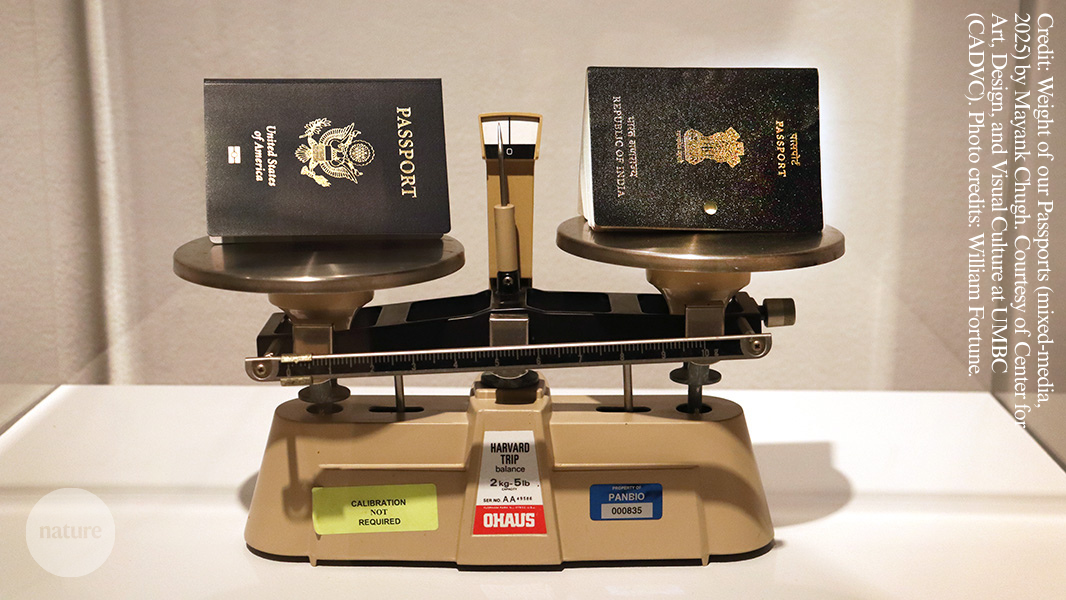
10 months agoWhat we stand to lose when foreign students are seen as a threat
In the United Kingdom, most students are now barred from bringing family members. Canada has enforced a cap on study permits, restricted work eligibility after graduation and doubled the financial threshold for students to prove self-sufficiency.
Higher education
[ Load more ]